Reconciliation can only be through the atonement of God’s Son, Jesus Christ. But in Christ, let us not undervalue what it’s possible for us to be: a people set aside for God to possess. There is no higher privilege than to be a part of this people.

If God has a people, which He certainly does in Jesus Christ, it was not without purpose that He made them His people. God dwells with us in order that we may know Him — and knowing Him, that we might experience the joy of living within His wisdom.
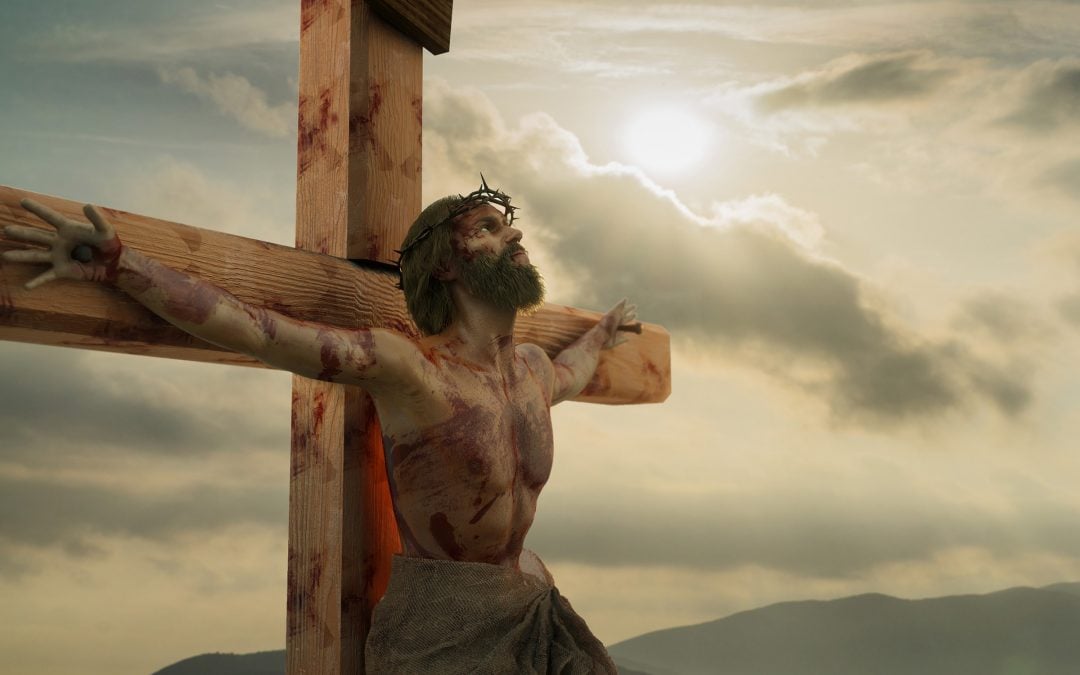
Reminiscent of the Passover lamb in Israel, Jesus was a greater sacrifice, enabling God to justify mankind from its sins. John the Baptist said on one occasion as he saw Jesus, “Behold, the Lamb of God, who takes away the sin of the world!”

Christ gave Himself up for the church in order that “he might sanctify her.” The whole plan by which Christ was able to have a “set apart” people depended on His dying for those people. The Messiah had to die for our atonement (Isaiah 53:4-6).

The church in Philippi had begun in unusual circumstances, and they had been a great encouragement to Paul. The salutation of his letter to them (Philippians 1:1) is a good snapshot of what a local congregation was in the days of the New Testament.

Let’s consider the fascinating group which Paul addressed as “the church of God that is in Corinth.” Together, the two letters that we have from Paul to Corinth take up more pages in the New Testament than we have from him to any other congregation.

Christ’s resurrection proves that God can be counted on to help us. His power will guard and keep us until our hope is finally realized. So when discouragement hits us (as it surely will), one thing is to be recalled: the resurrection of Christ.

Having given us life and a free will, God will hold us accountable for the use of our freedom of choice between good and evil. Think of it in terms of “stewardship.” With such great gifts, we will answer for our faithfulness in using them.

We must learn to do what is right because it is right, and not because it will turn earthly events in our direction. The sooner we give up our “comprehend and control” approach to life, the sooner we’ll be ready to hear the gospel.